

Maui is one of Hawaii's most beautiful destinations, known for its golden beaches, tropical landscapes, scenic drives, welcoming communities, and unforgettable island experiences. Whether you are planning a romantic escape, a family holiday, or an adventure with friends, Maui offers something special for every traveler.
However, planning a Hawaiian vacation can feel expensive. Flights, accommodation, rental cars, restaurants, and activities can quickly increase your travel costs. The good news is that you do not need a luxury budget to enjoy the best of Maui. With thoughtful planning, you can create an amazing island getaway while keeping your expenses under control.
This guide explains how to plan the perfect Maui vacation on any budget, including tips for choosing travel dates, finding accommodation, saving on transportation, enjoying local food, and discovering memorable experiences.

1. Decide on Your Maui Vacation Budget First
Before booking anything, decide how much you want to spend on your vacation. A clear budget helps you make better decisions and prevents unnecessary expenses.
Divide your estimated spending into five main categories:
Flights and airport transportation
Accommodation
Food and dining
Rental cars and local transportation
Activities, tours, and shopping
Keep a small amount aside for unexpected expenses. You may want to enjoy an extra activity, purchase a souvenir, or change your plans because of the weather.
A useful approach is to decide which experiences matter most to you. If beautiful beaches and scenic drives are your priorities, you may not need several expensive tours. If you enjoy guided adventures, reserve more of your budget for those activities.
2. Choose the Best Time to Visit Maui
Your travel dates can make a significant difference to your overall vacation cost. Accommodation and flights may be more expensive during popular holiday periods, school vacations, and other busy travel seasons.
If your schedule is flexible, compare prices across several date ranges. Late April through early June and late August through October may offer opportunities to find better availability and value, although actual prices depend on demand and your travel dates.
Consider these general travel periods:
Winter: Winter brings seasonal whale-watching opportunities, although some accommodation and travel dates can be busy.
Spring: Spring offers pleasant opportunities for beach days, sightseeing, and outdoor adventures. Avoid assuming that every spring-break week will be inexpensive.
Summer: Summer is popular with families and travelers planning longer holidays. Book accommodation and transportation early.
Fall: Fall can be a good time to compare travel deals and enjoy a more relaxed itinerary outside major holiday periods.
Compare the complete cost of your trip rather than choosing dates based only on airfare.
3. Find Accommodation That Matches Your Budget
Accommodation is often one of the largest expenses when planning a Maui vacation. Fortunately, the island has several areas and property types to consider.
Budget-Friendly Stays
Look for smaller hotels, guesthouses, hostels, and suitable vacation rentals. Compare the complete booking price, including taxes, cleaning charges, parking, and other mandatory fees.
Mid-Range Accommodation
Condos and comfortable hotels can offer a good balance between convenience and price. A property with a kitchenette may help you prepare breakfast or simple meals.
Luxury Resorts
If relaxation is your priority, Maui has beautiful resorts with ocean views, swimming pools, restaurants, and other amenities. Compare packages and included services before booking.
Think about location as well as nightly rates. A less expensive room far from the places you want to visit may increase transportation costs. Choosing a convenient base can save time and money.
Popular areas to explore include Kīhei, Wailea, Kāʻanapali, Nāpili, and Kapalua. Each offers a different atmosphere and range of accommodation options.
4. Save Money on Transportation
Transportation is another important part of your Maui vacation budget. Before booking a rental car, consider how you plan to spend your days.
A rental car provides flexibility for exploring different parts of the island, including scenic coastal areas and Upcountry Maui. However, remember to include rental charges, fuel, parking, insurance options, and any additional fees.
Here are a few ways to manage transportation expenses:
Compare rental car prices from several providers.
Check whether your accommodation charges for parking.
Consider renting a car only on days when you need one.
Look into local transportation options for suitable routes.
Choose organized tours that include transportation when they offer better overall value.
Group nearby attractions together to avoid unnecessary driving.
If you plan to visit remote destinations, research the route and transportation requirements before leaving. A little preparation can prevent unexpected costs.
5. Enjoy Maui's Beautiful Beaches for Less

One of the best things about Maui is that some of its most memorable experiences do not require expensive tickets.
The island has beautiful beaches where visitors can spend time swimming, relaxing, enjoying the scenery, and watching spectacular sunsets when conditions are suitable.
Consider visiting:
Kāʻanapali Beach: A popular West Maui beach with beautiful coastal scenery.
Kīhei Beaches: A collection of beaches and coastal areas in South Maui.
Wailea Beach: Known for its attractive shoreline and resort surroundings.
Baldwin Beach Park: A scenic North Shore beach near Pāʻia.
Kapalua Bay: A picturesque bay popular for its natural beauty.
Always check ocean conditions before swimming or snorkeling. Conditions can change quickly, and visitors should follow posted warnings and local safety guidance.
Bring your own reusable water bottle, beach towel, and sun protection to avoid unnecessary purchases.
6. Choose Affordable and Delicious Local Food
Trying local Hawaiian food is an important part of experiencing Maui. You do not need to eat at expensive restaurants every day to enjoy the island's food culture.
Explore local restaurants, food trucks, casual cafés, and farmers markets. You may find delicious meals at more affordable prices than some resort restaurants.
Consider trying:
Poke bowls
Plate lunches
Fresh tropical fruit
Local seafood
Shave ice
Hawaiian-style breakfast dishes
If your accommodation has a kitchen, prepare simple breakfasts and snacks. You can then save your restaurant budget for a few special dining experiences.
Planning meals in advance is particularly helpful for families and travelers staying several nights.
7. Enjoy Free and Low-Cost Maui Activities
A memorable Maui vacation does not have to be filled with expensive excursions. There are plenty of ways to enjoy the island's natural beauty and local atmosphere.
Some ideas include:
Watch a Hawaiian Sunset: Find a suitable beach or coastal viewing area and enjoy the changing colors over the Pacific Ocean.
Explore Local Towns: Spend time discovering shops, cafés, art galleries, and local businesses.
Enjoy Scenic Drives: Explore accessible coastal roads and beautiful viewpoints while following road safety guidance.
Visit Farmers Markets: Discover locally grown produce, handmade products, and island flavors.
Spend a Beach Day: Relax, read a book, take photographs, or enjoy a picnic near the ocean.
Explore Cultural Experiences: Learn about Hawaiian history, traditions, language, and local customs through reputable cultural resources and experiences.
Remember to respect private property, cultural sites, wildlife, and posted access restrictions.
8. Plan One or Two Special Adventures

Although free activities can fill many days, you may want to include one or two unforgettable experiences in your itinerary.
Popular Maui adventures include:
Driving the scenic Road to Hāna
Visiting Haleakalā National Park
Taking a snorkeling excursion
Enjoying a whale-watching tour during the appropriate season
Exploring Upcountry Maui
Experiencing a traditional Hawaiian lūʻau
Instead of booking several expensive activities, choose the experiences that matter most to your group.
Check reservation requirements, transportation arrangements, cancellation policies, and additional charges before paying. Some popular destinations require advance reservations, so planning ahead is important.
9. Make Your Maui Airport Arrival Special
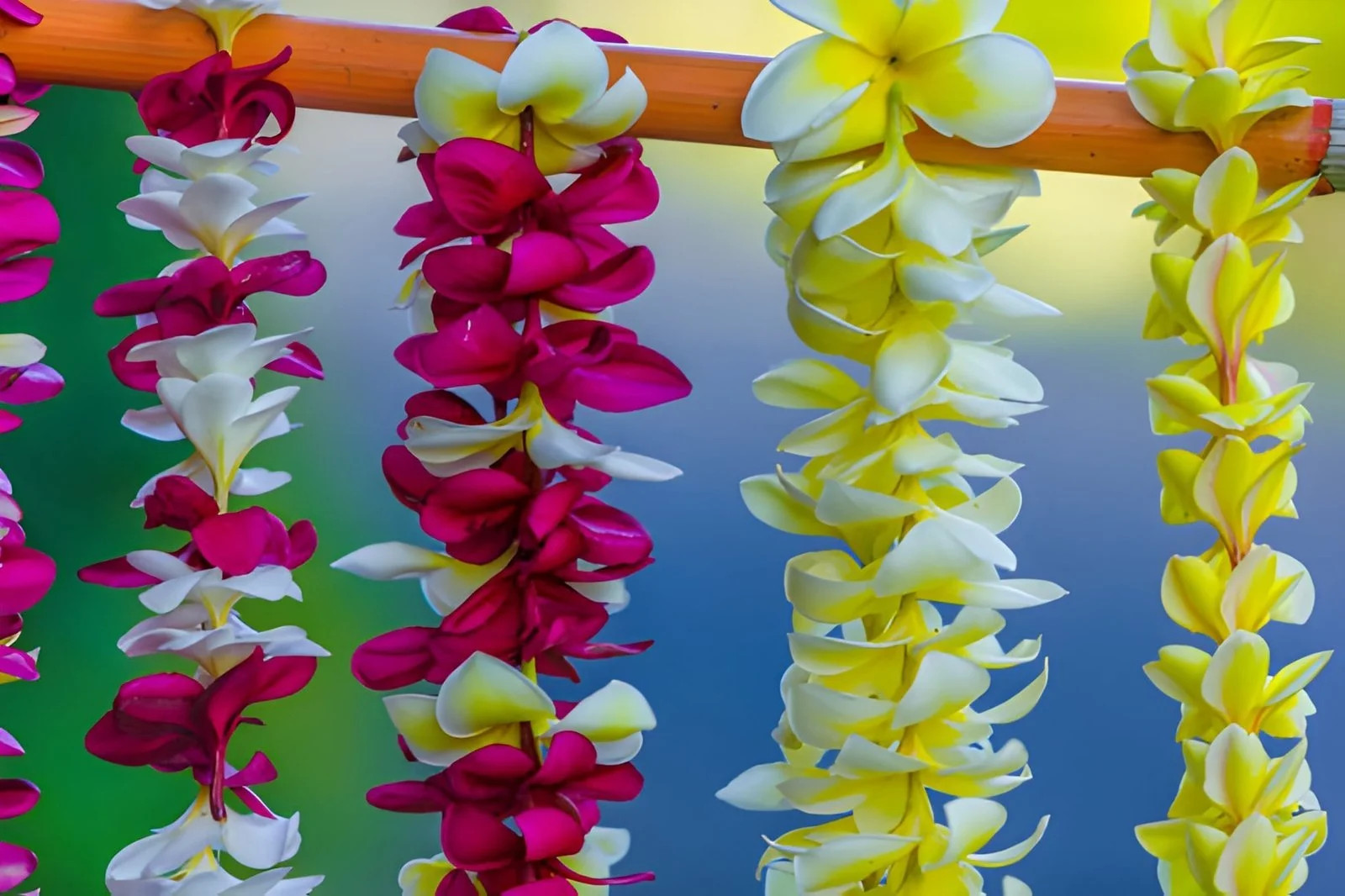
Your vacation begins when you arrive in Maui. After a long flight, a warm Hawaiian welcome can make the first moments of your holiday even more memorable.
A traditional flower lei greeting is a meaningful way to welcome someone to the island. It can be a lovely surprise for couples, families, honeymooners, and first-time visitors.
Fresh flower leis are available in different styles and colors. Plumeria leis, in particular, are appreciated for their tropical appearance and beautiful fragrance.
If you are planning a special arrival, consider arranging a Maui Airport Lei Greeting before your departure. This can help you start your vacation with a memorable welcome rather than waiting until later in your trip.
Plumeria Lei Greetings offers airport lei greeting experiences for travelers who want to add a touch of Hawaiian hospitality to their arrival. Visit the Maui Airport Lei Greetings service page to explore available options.
10. Create a Flexible Seven-Day Maui Itinerary
A balanced itinerary helps you enjoy Maui without spending money on unnecessary activities every day.
Here is a simple seven-day plan that can be adjusted to your budget and interests.
Day 1: Arrival and Relaxation
Arrive in Maui, collect your luggage, and settle into your accommodation. Enjoy a relaxed evening and a beautiful sunset if time allows.
Day 2: Beach Day
Explore a nearby beach, enjoy the ocean views, and discover a local restaurant or food truck.
Day 3: Road to Hāna
Set aside a full day for the scenic journey. Research road conditions, stops, and access requirements before traveling.
Day 4: Local Food and Town Exploration
Visit local shops, explore a nearby town, and enjoy Hawaiian-inspired food.
Day 5: Special Adventure
Choose one paid activity, such as snorkeling, a guided excursion, or another experience that interests you.
Day 6: Haleakalā or Upcountry Maui
Explore the island's volcanic landscapes or visit Upcountry communities. Check park information and reservation requirements before your visit.
Day 7: Relax and Departure Preparation
Enjoy a final breakfast, revisit a favorite beach, purchase souvenirs, and prepare for your flight home.
This itinerary is flexible. You can replace activities based on your budget, weather, travel companions, and interests.
11. Pack Smart and Avoid Unnecessary Expenses
Packing properly can help you avoid buying items at higher prices during your vacation.
Consider bringing:
Comfortable walking shoes
Swimwear and beach clothing
Reusable water bottles
Sunglasses and a hat
Suitable sun protection
A light rain jacket
Warm layers for higher elevations
A small first-aid kit
Phone chargers and travel accessories
Use sun protection that complies with Hawaiʻi regulations and follow local environmental guidance.
Check the weather forecast and your planned activities before packing. Different parts of Maui can have different weather conditions, particularly between coastal areas and higher elevations.
12. Respect Hawaiian Culture and Support Local Businesses
A perfect Maui vacation is about more than beaches and photographs. It is also an opportunity to learn about the island's culture and support its communities.
Take time to understand the meaning of aloha, mahalo, and the importance of respecting local traditions. Be considerate when visiting cultural sites, follow posted instructions, and avoid disturbing wildlife.
Whenever possible, support locally owned restaurants, shops, tour operators, and small businesses. Your spending can help contribute to the local community.
Travel respectfully, leave natural places clean, and remember that Maui is home to people who live and work there throughout the year.
Final Thoughts: Enjoy Maui Without Overspending
Planning the perfect Maui vacation on any budget starts with knowing your priorities. Choose travel dates carefully, compare accommodation options, plan transportation, enjoy free outdoor experiences, and reserve money for the activities that matter most.
You do not need to spend a fortune to create wonderful memories. A beautiful beach morning, a scenic drive, a delicious local meal, and a warm flower lei greeting can become some of the most meaningful moments of your trip.
Whether you are visiting Maui for the first time or returning for another island adventure, thoughtful planning can help you enjoy a memorable Hawaiian vacation while staying within your budget.
Start planning your Maui getaway today, and make your first moments on the island truly special with Plumeria Lei Greetings.
Frequently Asked Questions
1. How much money should I budget for a Maui vacation?
Your budget depends on your travel dates, accommodation, transportation, food choices, and planned activities. Start by comparing actual prices for your dates and building a budget for each major expense.
2. What is the most affordable time to visit Maui?
Travel costs vary throughout the year. Compare dates outside major holiday periods and school vacations. Late spring and early fall may offer opportunities for better value, depending on availability.
3. Can I enjoy Maui without renting a car?
Yes, depending on your itinerary. You can use available public transportation, taxis, rideshares, airport transfers, and organized tours. However, a rental car may be more convenient for exploring remote areas.
4. What are some free things to do in Maui?
Visitors can enjoy suitable public beaches, scenic viewpoints, sunset watching, local town exploration, and some outdoor activities without paying admission. Always check access rules and safety conditions.
5. How many days are enough for a Maui vacation?
Seven days is a useful starting point for a first visit. It allows time for beaches, sightseeing, a scenic drive, and a special activity without rushing through the island.
6. How can I save money on food in Maui?
Try local food trucks, casual restaurants, farmers markets, and grocery stores. If your accommodation has a kitchen, preparing simple breakfasts and snacks can reduce dining expenses.
7. Is a lei greeting a good way to welcome someone to Maui?
Yes. A flower lei greeting can be a thoughtful way to welcome family, friends, couples, and first-time visitors. It adds a memorable touch of Hawaiian hospitality to the beginning of a vacation.
8. Should I book Maui activities before arriving?
It is a good idea to book popular tours and experiences in advance, especially when reservations are required or availability is limited. Check official websites for current requirements and cancellation policies.