

Everything You Need to Know Before Traveling to Maui
Maui, often called the “Valley Isle,” is one of the most breathtaking destinations in the world. With its golden beaches, lush rainforests, volcanic landscapes, and warm Hawaiian culture, it attracts millions of travelers every year. But before you pack your bags and head to paradise, there are a few important things you should know to make your trip smoother, more enjoyable, and truly unforgettable.
This detailed guide will walk you through everything you need to know before traveling to Maui, from planning tips and transportation to cultural etiquette and arrival experiences. Whether it’s your first time or a return visit, this blog will help you experience Maui the right way.
Why Maui Is So Special
Maui isn’t just another tropical island, it’s a destination that blends luxury, adventure, relaxation, and culture all in one place. Unlike crowded tourist hubs, Maui offers a slower, more peaceful rhythm of life.
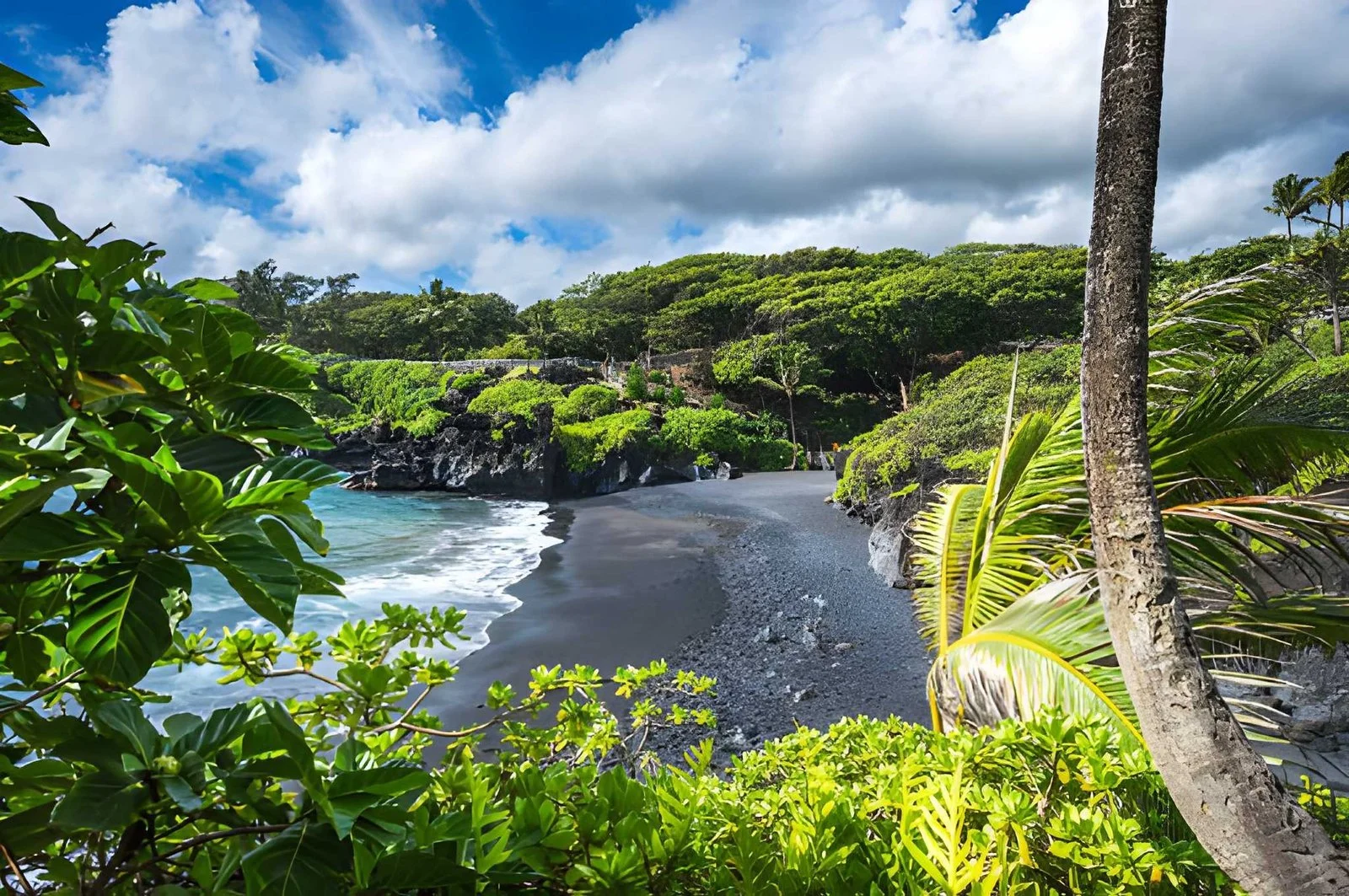
Visitors come here for:
Stunning beaches like Kaanapali and Wailea
The scenic Road to Hana
Sunrise at Haleakalā National Park
Whale watching (seasonal)
Traditional Hawaiian culture and hospitality
But what truly sets Maui apart is the feeling it gives you. It’s not just a place you visit, it’s a place you feel.
Best Time to Travel to Maui
Maui is a year-round destination, but the experience can vary depending on when you go.
Peak Season (December – April)
Best for whale watching
Great weather but higher prices
More tourists and busy beaches
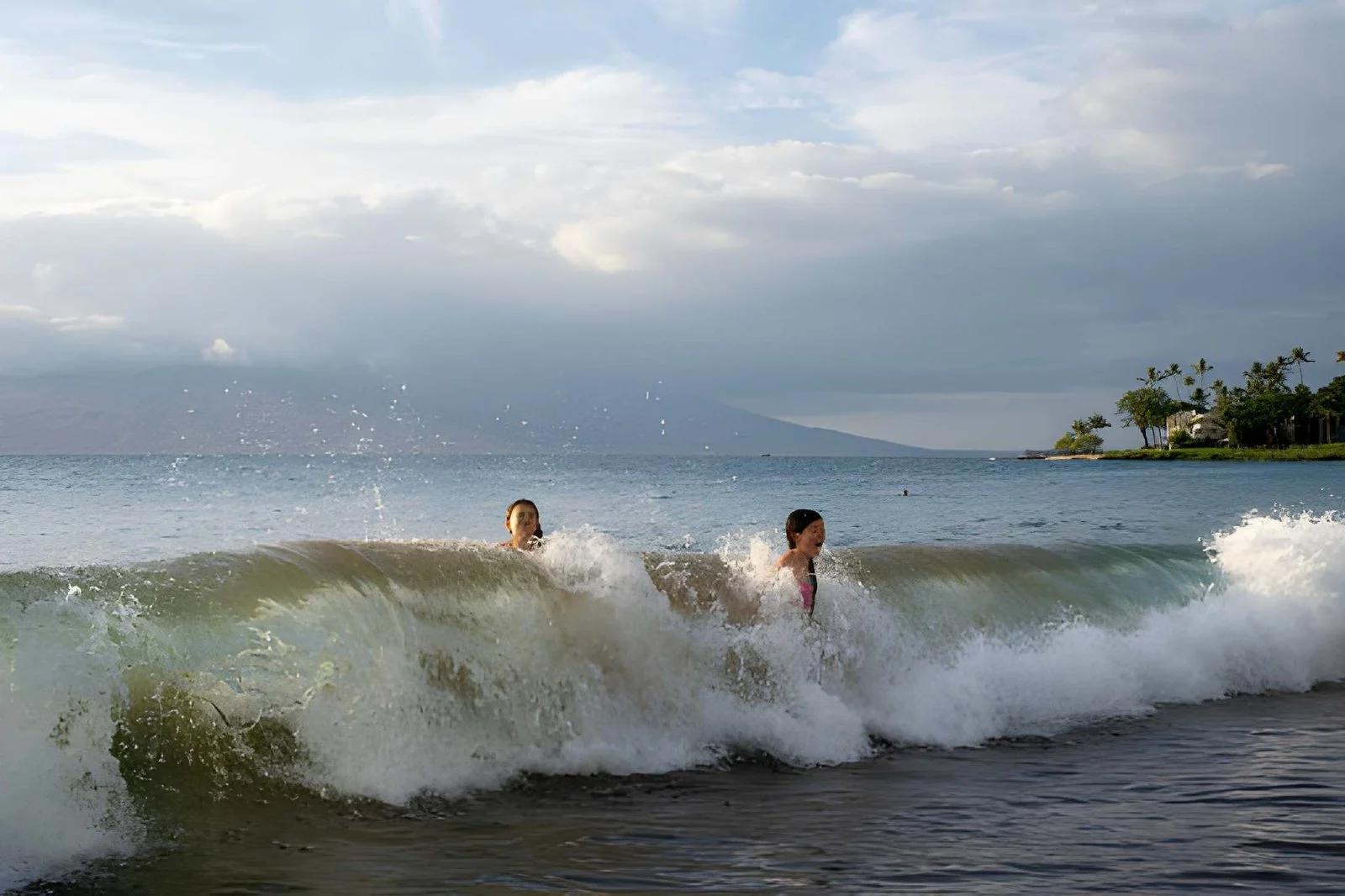
Shoulder Season (May – June, September – November)
Fewer crowds
Better hotel deals
Ideal balance of weather and affordability
Summer (July – August)
Warmest ocean temperatures
Family travel season
Slightly higher prices for accommodations
If you want a peaceful and romantic experience, shoulder seasons are often the best choice.
What to Pack for Maui
Packing for Maui is simple, but smart choices make a big difference.
Essentials:
Light clothing (shorts, dresses, breathable fabrics)
Swimsuits (you’ll use them daily)
Flip-flops and comfortable walking shoes
Sunscreen (reef-safe is recommended)
Sunglasses and hats
Light jacket for cooler evenings or Haleakalā visits
Bonus Items:
Waterproof phone case
Snorkeling gear (optional but useful)
Reusable water bottle
Camera for scenic views
Maui is casual, so you won’t need formal clothing unless you are dining at upscale restaurants.
Getting to Maui
Most travelers arrive at Kahului Airport (OGG), which is the main gateway to the island. From here, you’ll need transportation to your hotel or resort.
Transportation options:
Rental cars (highly recommended)
Airport shuttles
Ride-sharing services (limited in some areas)
Hotel transfers
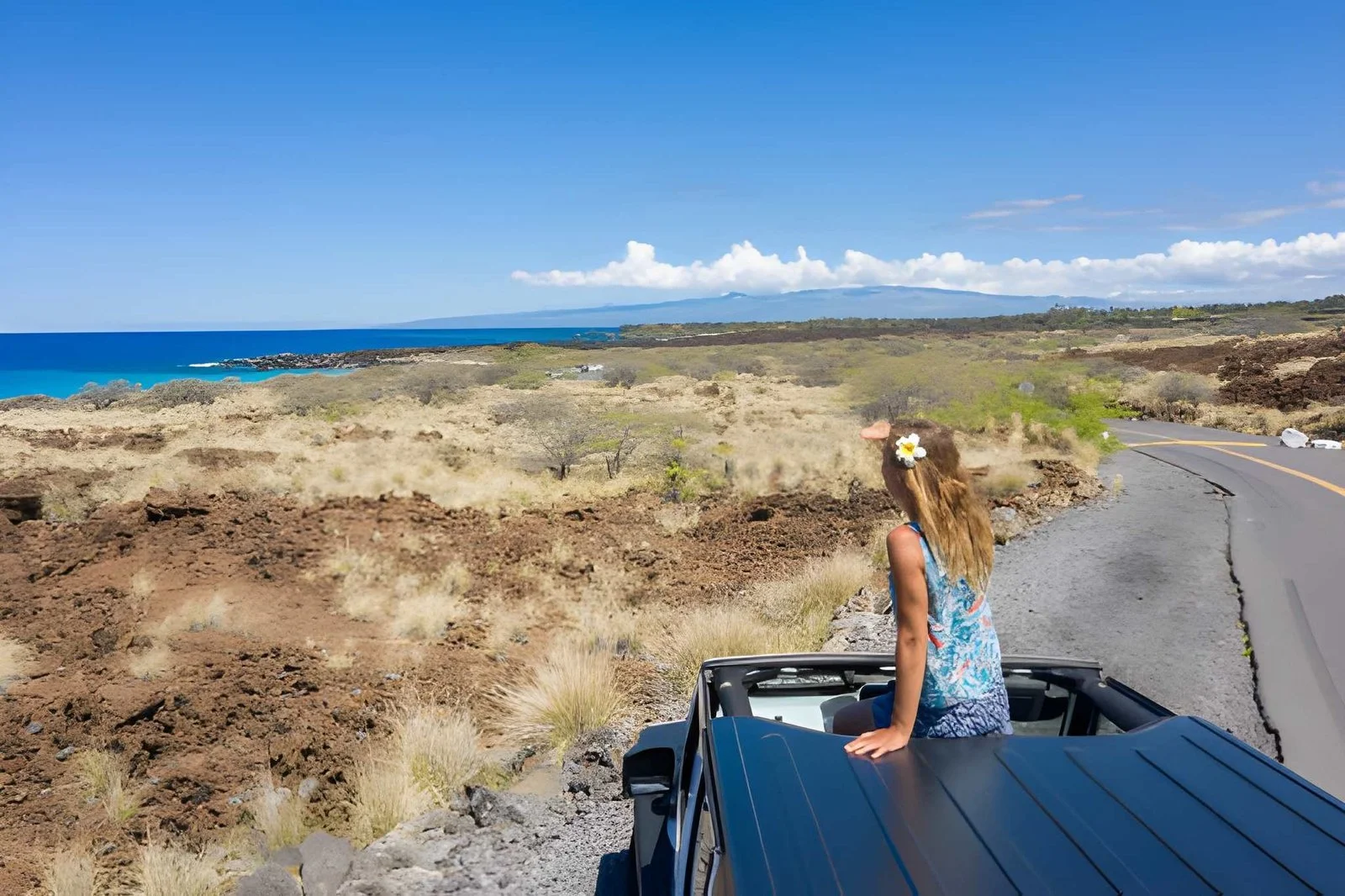
A rental car gives you the most freedom, especially if you plan to explore the Road to Hana or remote beaches.
Arrival Experience in Maui
One of the most memorable parts of traveling to Maui is the warm welcome you receive upon arrival. Many visitors are greeted with traditional Hawaiian hospitality that instantly sets the tone for their trip.
In fact, services like a Maui Airport Greeting Service are becoming increasingly popular among couples and families who want to start their vacation with a personal touch.
Instead of stepping into a busy airport alone, you are welcomed with smiles, flowers, and a sense of aloha that immediately makes you feel at home. It’s a small detail that often becomes one of the most cherished memories of the entire trip.
Where to Stay in Maui
Choosing the right area to stay can shape your entire experience.
West Maui (Kaanapali, Lahaina)
Luxury resorts
Great beaches
Shopping and dining options
South Maui (Wailea, Kihei)
Calm beaches
Romantic atmosphere
High-end resorts and condos
Upcountry Maui
Cooler climate
Local farms and scenic views
Peaceful, less touristy
East Maui (Hana)
Remote and natural beauty
Ideal for adventure lovers
Limited accommodations
South and West Maui are the most popular for first-time visitors.
Top Things to Do in Maui
Maui offers a mix of relaxation and adventure.
Beaches
Kaanapali Beach
Wailea Beach
Makena Beach
Scenic Drives
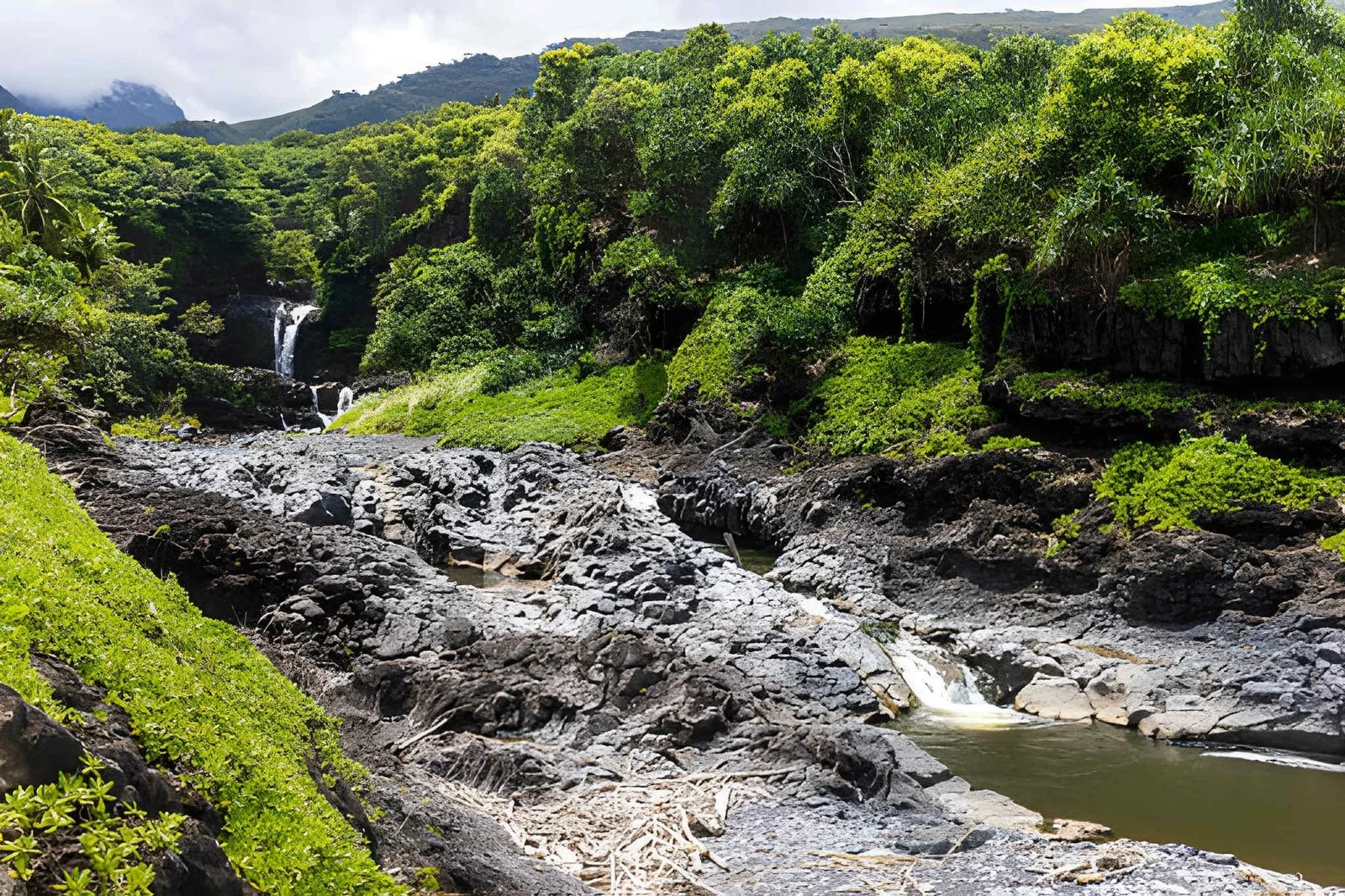
Road to Hana (waterfalls, rainforests, coastal views)
Nature & Adventure
Haleakalā National Park sunrise
Snorkeling at Molokini Crater
Hiking in Iao Valley
Seasonal Activities
Whale watching (December to April)
No matter your travel style, Maui has something unforgettable for everyone.
Cultural Etiquette in Maui
Respecting Hawaiian culture is an important part of your visit.
Do:
Learn basic Hawaiian greetings like “Aloha” and “Mahalo”
Respect sacred sites and signs
Support local businesses
Don’t:
Disturb wildlife or coral reefs
Enter restricted cultural areas
Leave trash on beaches or trails
Hawaii is deeply connected to its land and traditions, so mindful travel goes a long way.
Food and Dining in Maui
Maui’s food scene is a mix of fresh local ingredients and global flavors.
Must-try foods:
Poke bowls
Shaved ice
Fresh seafood
Hawaiian plate lunches
Tropical fruits
Farmers’ markets are also a great way to experience local culture and flavors.
Budgeting for Maui Travel
Maui can be expensive, but planning helps manage costs.
Typical expenses:
Hotels: moderate to luxury pricing
Rental cars: essential but can be costly
Dining: mix of affordable and high-end options
Activities: varies depending on tours
Money-saving tips:
Book accommodations early
Travel during shoulder season
Mix fine dining with local food trucks
Choose free activities like beaches and hiking
Why First Impressions Matter
One of the most overlooked parts of traveling is the arrival experience. In Maui, your first few minutes on the island can shape your entire journey.
That’s why many travelers choose personalized welcomes that reflect the spirit of aloha. Whether it’s flowers, smiles, or traditional greetings, these small moments help you transition from travel stress to island relaxation instantly.
Businesses like Plumeria Lei Greetings help create these unforgettable first impressions, making your arrival feel warm, personal, and meaningful.
Even platforms like Plumeria Lei Greetings emphasize that travel is not just about where you go, but how you are welcomed when you arrive.
Final Thoughts
Traveling to Maui is more than just a vacation, it’s an experience that stays with you long after you leave. From its natural beauty and cultural richness to its warm hospitality, every part of the island is designed to slow you down and help you reconnect with what matters.
By planning ahead, respecting the culture, and embracing the island’s rhythm, your Maui trip can become truly unforgettable.
Whether you are exploring beaches, driving scenic roads, or simply enjoying a peaceful sunrise, Maui has a way of turning simple moments into lifelong memories.
And as many travelers discover, the journey often begins with a warm welcome that sets the tone for everything that follows.